Are you drawn to homes that feel as considered as they are comfortable? In New Canaan, architecture is not just background scenery. It is part of how you experience a property, evaluate its value, and imagine your life there. If you are buying, selling, or simply trying to understand what gives this market its distinct character, a design-minded look can help you see beyond square footage and into what truly shapes appeal. Let’s dive in.
New Canaan's Design Story
New Canaan has an architectural identity that comes from two major chapters. The town's early history began with colonial settlement in 1715, and it was incorporated in 1801. Over time, agriculture, milling, shoemaking, rail access, and the rise of summer estates all helped shape the built landscape.
Then came a very different chapter after World War II. With its former farmland, commuter access to New York City, and room for experimentation, New Canaan became a center of Modern residential design. That mix of deep history and bold innovation is what makes the town's housing stock so visually rich today.
The numbers help explain why design matters here. The 2023 Connecticut Town Profile reports 20,574 residents, 6,917 households, a median household income of $214,977, and a median home value of $1,264,400. In a market like this, architectural style, setting, and visible design quality often carry real weight in buyer perception.
Traditional Homes in New Canaan
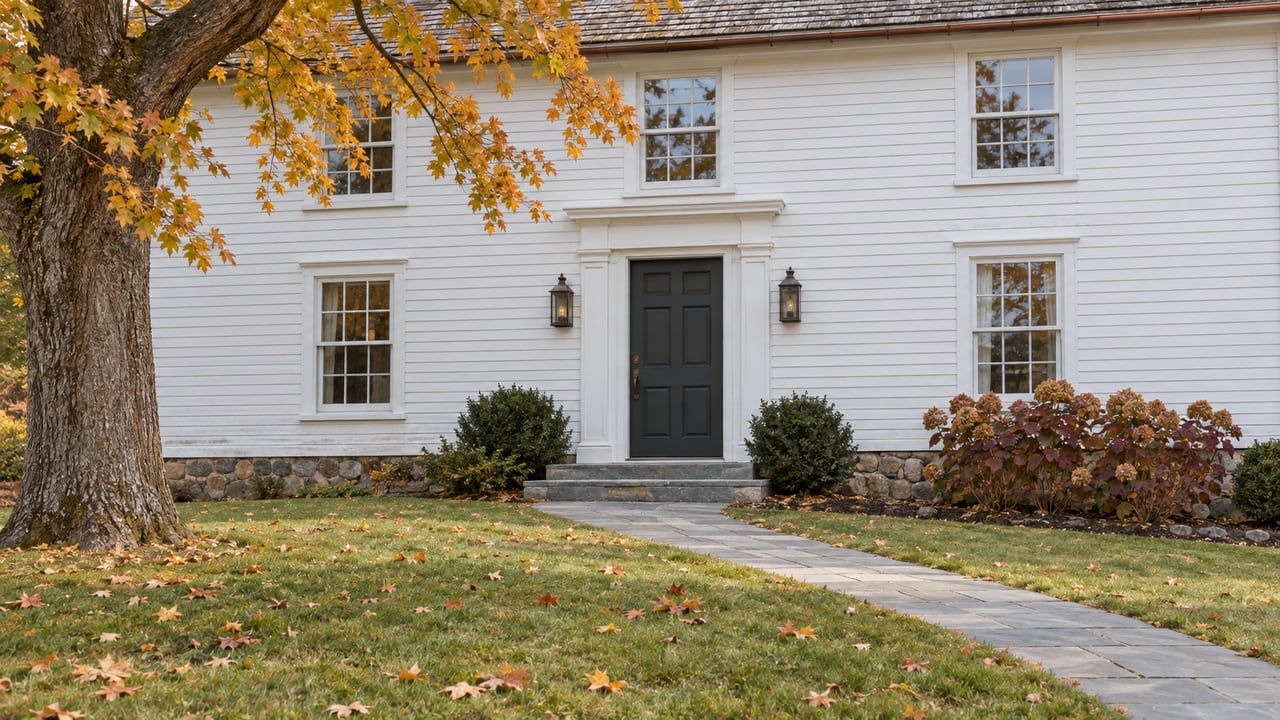
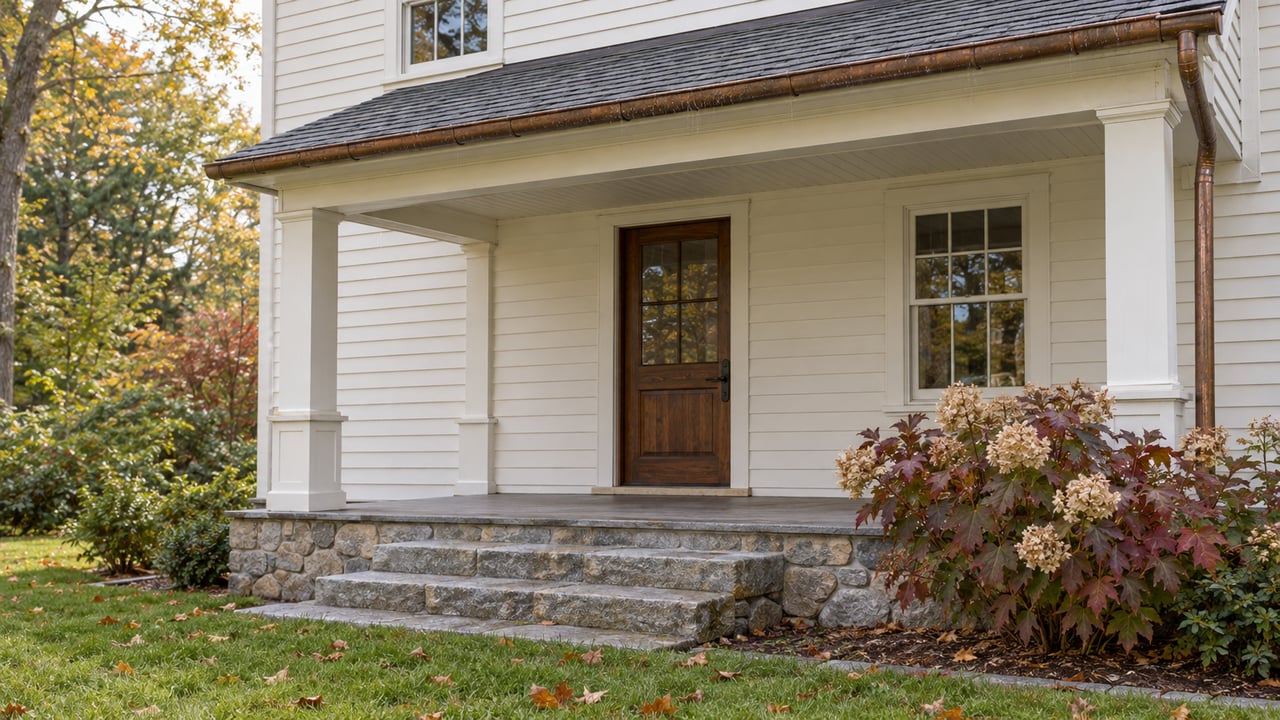
New Canaan's traditional homes reflect centuries of changing taste while still holding onto a strong sense of order and place. You can see that story in colonial houses, revival-era properties, and estate-style residences that continue to shape the town's visual identity. For buyers and sellers alike, understanding those differences can make a home easier to appreciate and position well.
Colonial Roots
The town's earliest residential layer is colonial. The Hanford-Silliman House, built in 1764, is one local example of that era, with spaces like a hearth, parlor, bedrooms, and craft room reflecting a more compartmentalized, hearth-centered way of living. That layout is very different from the open flow many buyers expect today.
In design terms, colonial homes often feel grounded and intimate. Rooms may be more clearly defined, circulation can be more formal, and original details often become part of the home's appeal. When these elements remain intact, they can give a property a strong sense of authenticity.
Federal and Greek Revival Influence
By the early 19th century, New Canaan's residential character expanded in areas like Church Hill. The Maxwell Perkins House, documented as an 1836 Greek Revival home with later additions, sits in the Church Hill Historic District, which is the second oldest local district in Connecticut.
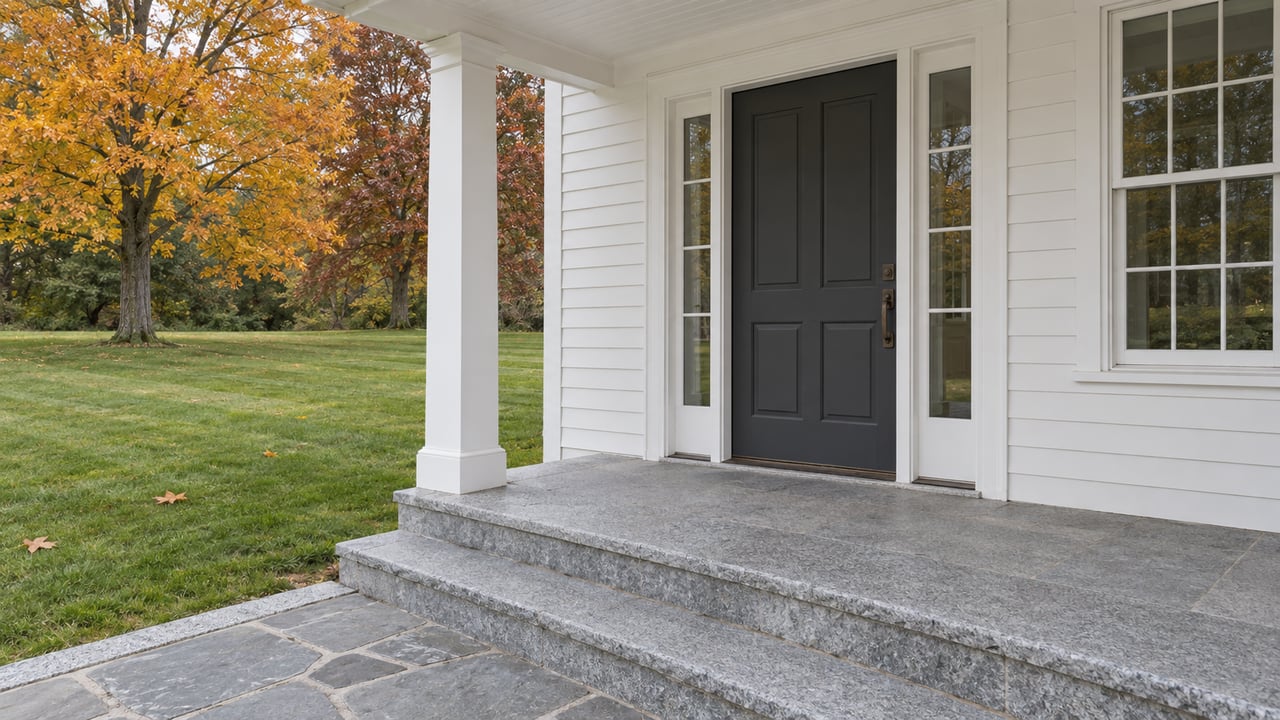
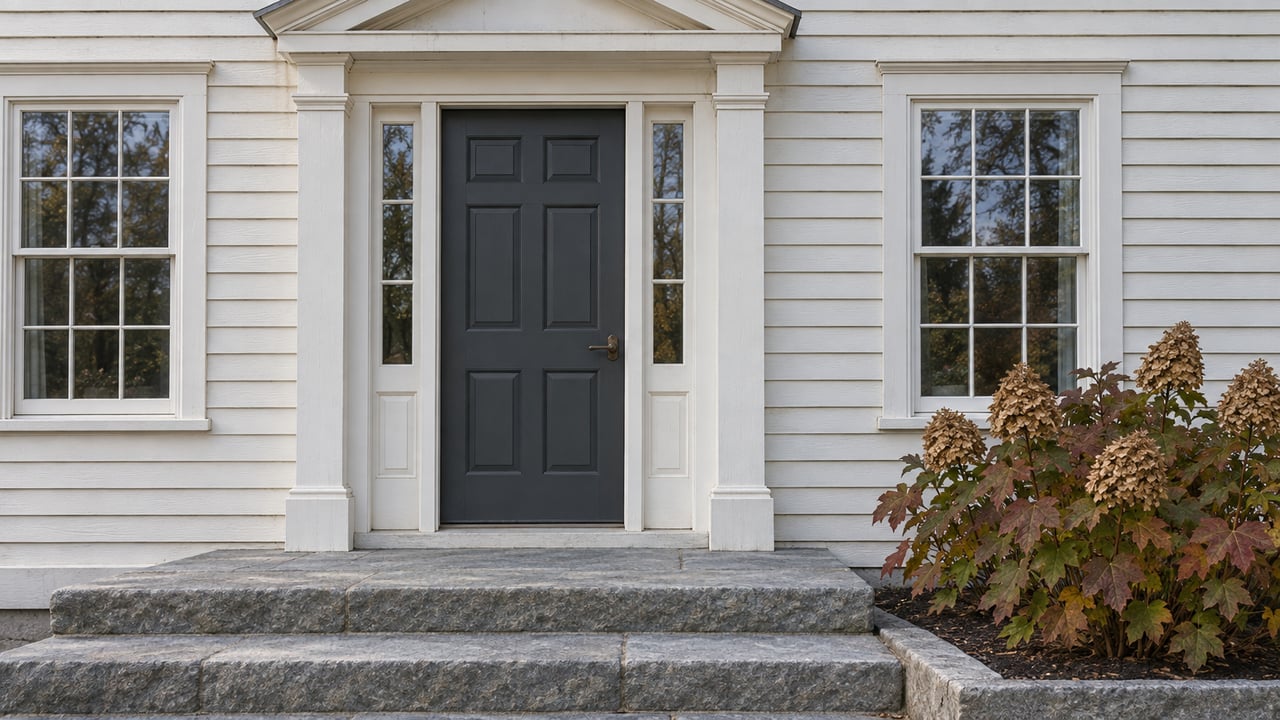
Federal houses are typically symmetrical and often square or rectangular, with hipped roofs and details like fanlights or sidelights. Greek Revival homes tend to look boxier and more temple-like, with pediments, columns, and restrained ornament. Together, these styles usually read as formal and ordered, with a clear entry sequence and balanced proportions.
Revival Styles and Estate Character
New Canaan also includes Colonial Revival, Tudor Revival, and Victorian-era properties. The Hoyt-Burwell-Morse House is listed as Colonial Revival, while Waveny includes Tudor Revival main residences and Colonial Revival outbuildings. The Rogers Studio adds a Victorian note, with its small scale and dramatic skylight.
These homes often bring a layered, estate-like quality. You may notice formal entries, mixed materials, steep rooflines, picturesque massing, and a stronger separation between public and private spaces. For a design-conscious buyer, that can create a feeling of depth and character that newer homes sometimes work hard to replicate.
Mid-Century Modern as a Signature Style
If traditional architecture tells one side of New Canaan's story, mid-century modern tells the other. This is the style that gave the town national architectural significance and still sets it apart in the minds of many design-minded buyers.
Why Modern Took Hold Here
After World War II, New Canaan became a center of experimental Modern residential design. The Harvard Five, Marcel Breuer, Landis Gores, John Johansen, Eliot Noyes, and Philip Johnson, all helped shape that legacy. According to the Glass House's Modern Homes Survey, more than 30 modern houses existed by the end of 1952, and more than 100 by the end of the 1970s.
The New Canaan Museum & Historical Society also notes that more than 100 mid-century modern houses were built between 1949 and 1973, and its Modern Homes Survey identified 91 modern houses. Connecticut's statewide preservation plan adds that New Canaan has one of the most significant collections of mid-century modern houses in the United States.
What Defines the Style
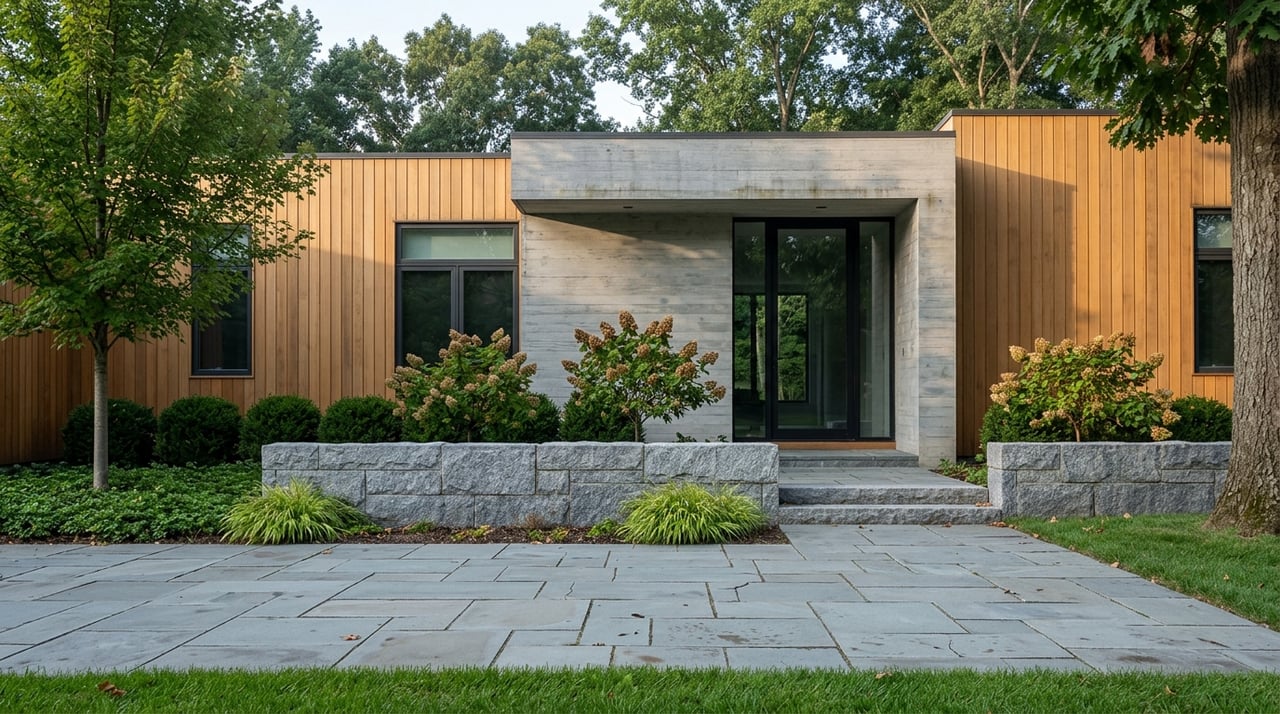
Mid-century modern homes in New Canaan are known for low horizontal profiles, generous glass, minimal ornament, and a strong relationship to the landscape. The Glass House itself sits on a 49-acre landscape with 14 structures. The Bruce Museum describes the Gores Pavilion as an example of architecture interacting with and becoming part of the site.
The Hodgson House nomination offers a practical picture of how these homes live. It describes an open principal living area, a compact dining and kitchen zone, built-ins, radiant heat, and skylights along a corridor. In everyday terms, that often translates to bright interiors, flexible living space, and a strong indoor-outdoor connection.
What Buyers Notice in Modern Homes
For many buyers, a Modern house feels fresh because of its openness and its connection to the land. Light becomes a feature. Views matter more. Built-ins and clean lines can make a home feel edited rather than decorated.
At the same time, design-forward houses ask you to pay attention to how the home works. Privacy, thermal comfort, roof conditions, and glazing maintenance can all matter when a home relies heavily on glass, low rooflines, and a minimal envelope. If you are evaluating this style, it helps to look at both beauty and upkeep through the same lens.
Why Architectural Integrity Matters
In New Canaan, the market often responds strongly to homes that feel architecturally coherent. That matters whether you are looking at a colonial house, a Tudor Revival property, or a mid-century modern residence.
The Connecticut Department of Economic and Community Development says National Register listing does not itself prevent an owner from altering a property, though it does recognize significance and can support preservation incentives. The same guidance notes that the National Register evaluates integrity of location, design, setting, materials, workmanship, and feeling.
Connecticut law treats local historic districts differently. Exterior changes in a local historic district require review through a certificate of appropriateness. For homeowners, that makes it important to understand not only what style a house is, but also whether its location carries added review requirements for exterior work.
Design Clues That Affect Perception
A useful way to think about value in New Canaan is not simply asking whether a home is updated. A better question is whether the home feels true to its design story. Buyers often respond to houses where the architecture, materials, and layout still make sense together.
Traditional Homes
In a Colonial, Federal, or Greek Revival home, strong buyer appeal often comes from symmetry, balanced proportions, disciplined entry sequences, and preserved millwork. Those details help the house feel intentional rather than altered in pieces. Even when updates are necessary, they usually land best when they respect the home's original logic.
Revival and Estate Properties
In Colonial Revival, Tudor Revival, and country-house forms, much of the appeal comes from massing, rooflines, mixed materials, and the relationship between the home and its grounds. A house with estate character often benefits when the landscape and architecture feel connected. That overall composition can shape first impressions in a powerful way.
Mid-Century Modern Homes
In Modern houses, coherence often shows up in clean glass lines, restrained materials, open flow, and indoor-outdoor continuity. These homes tend to look strongest when changes do not interrupt their original visual rhythm. A thoughtful update usually feels quiet and seamless rather than decorative.
What This Means if You Are Buying or Selling
If you are buying in New Canaan, architectural style can tell you a lot about how a home may live day to day. It can shape privacy, natural light, circulation, storage, and even your relationship to the landscape. Looking closely at those design fundamentals can help you separate surface appeal from lasting fit.
If you are selling, style should inform how you present the property. A design-minded approach is not about forcing trends onto a house. It is about understanding what makes the home distinct and making sure pricing, preparation, and presentation support that identity.
That is especially true in a town where colonial history and modernist innovation sit side by side. In New Canaan, buyers are often responding to more than condition alone. They are responding to architectural clarity, visual integrity, and the feeling that a home knows exactly what it is.
If you are thinking about buying or selling a home in New Canaan, working with someone who understands both market strategy and design character can make the process much more focused. Maura Gilson odonnell brings a calm, advisory approach with real estate, marketing, and interior design perspective to help you evaluate, prepare, and position a home with intention.
FAQs
What home styles are most associated with New Canaan?
- New Canaan is especially known for colonial-era homes, Federal and Greek Revival influences, Colonial Revival and Tudor Revival properties, and a nationally significant collection of mid-century modern houses.
Why is mid-century modern architecture important in New Canaan?
- New Canaan became a major center of Modern residential design after World War II, with more than 100 modern houses built between 1949 and 1973 and a strong connection to the architects known as the Harvard Five.
What makes a traditional New Canaan home feel distinctive?
- Traditional homes in New Canaan often stand out for features like symmetry, formal entry sequences, defined rooms, steep rooflines, mixed materials, and estate-style relationships between the house and the land.
What should buyers look for in a New Canaan modern home?
- Buyers should pay attention to open living spaces, glass, built-ins, skylights, indoor-outdoor flow, and the practical condition of features like glazing, rooflines, and comfort systems.
Do historic designations affect New Canaan homes?
- Yes. National Register listing recognizes significance but does not itself prevent alterations, while exterior changes in a local historic district require review through a certificate of appropriateness under Connecticut law.
Why does architectural integrity matter for resale in New Canaan?
- Architectural integrity can influence buyer perception because homes often present best when the layout, materials, rooflines, windows, and landscape all feel consistent with the original design story.